Spring Festival goods, warm the heart and celebrate the New Year
New Year's goods are an important part of the traditional Chinese Spring Festival, representing not only people's blessings and expectations for the new year, but also carrying rich cultural connotations. With the development of the times, the types and forms of New Year's goods continue to evolve, but the cultural significance behind them remains consistent.
Today, let's explore the traditional Chinese New Year's culture together and feel the unique flavor of the New Year!
1、 The origin and evolution of New Year's goods
In ancient times, due to the scarcity of resources, people would make large-scale reserves before the Spring Festival to meet their needs.
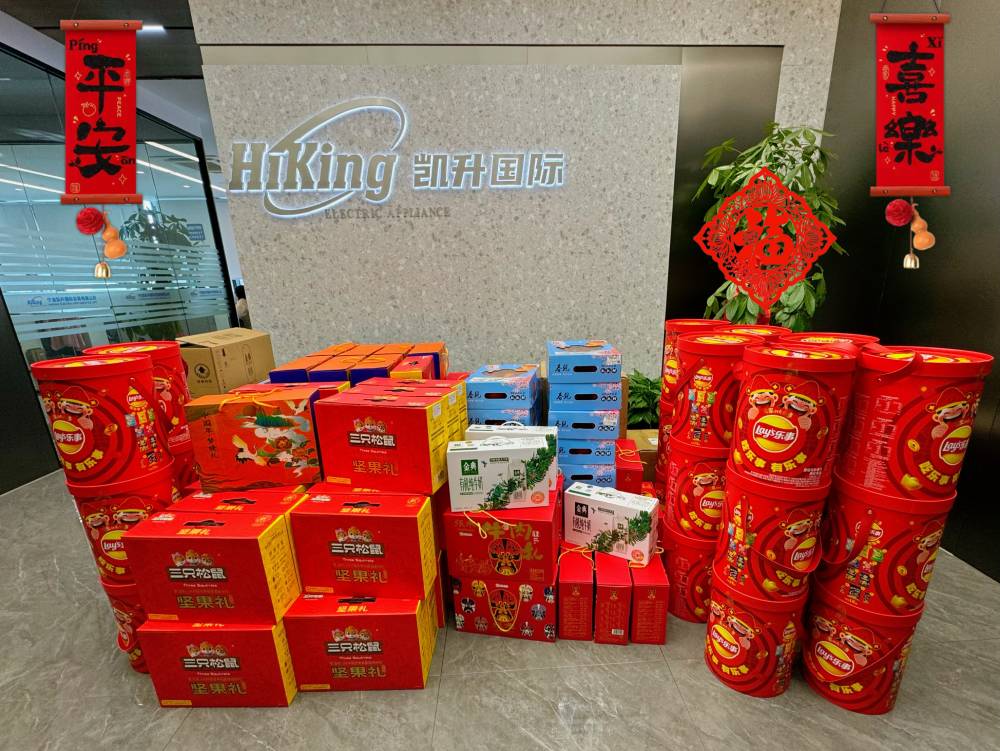
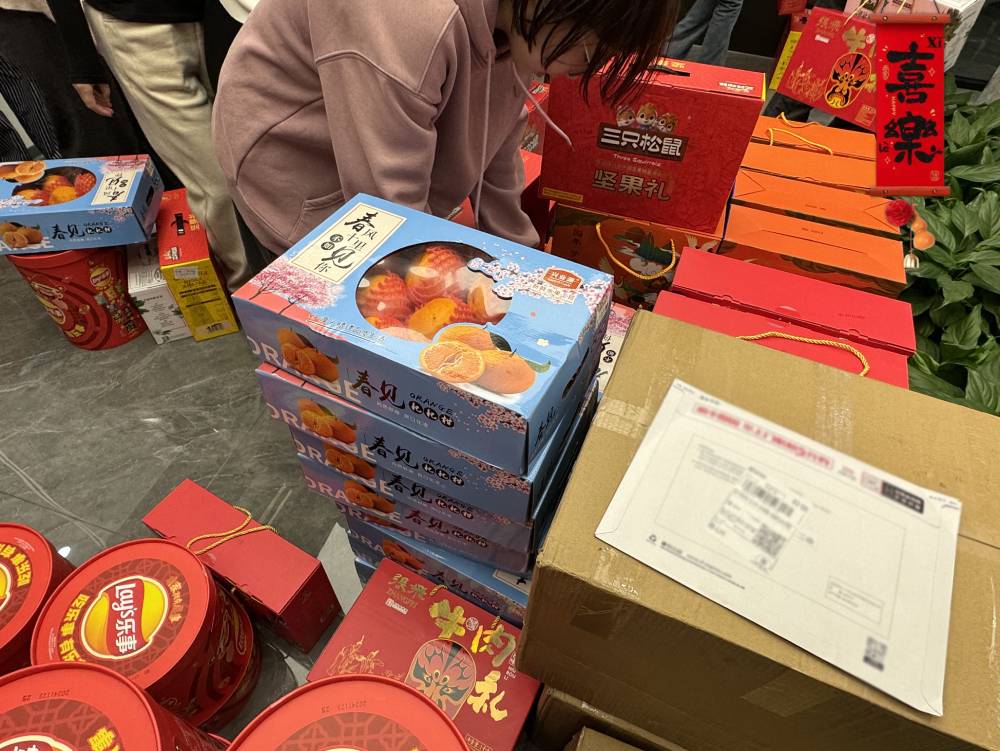
These reserved items gradually evolved into the New Year's goods we see today. With the development of society, the types of New Year's goods continue to enrich. From the initial food and clothing to later household items, cultural products, etc., New Year's goods have penetrated into every aspect of people's lives.
2、 New Year's goods and auspicious culture
In traditional Chinese culture, auspicious culture occupies an important position. As the main items during the Spring Festival, New Year's goods naturally contain elements of auspicious culture. Many New Year's goods carry people's good wishes for the New Year, such as red couplets and window decorations symbolizing joy and auspiciousness;
Fish, meat and other foods represent abundance and harvest. These auspicious New Year goods not only beautify people's lives but also convey blessings for the new year.
3、 Local characteristic New Year's goods
China has a vast territory and different customs and habits in various regions, which has also formed unique local New Year's goods. For example, dumpling, Mantou and other pasta are indispensable in the New Year's goods in the north; Southern New Year's goods are mainly pastries, candies, etc. In addition, some local handicrafts and local specialties are also important components of New Year's goods, representing the local customs and enriching the cultural connotation of New Year's goods.
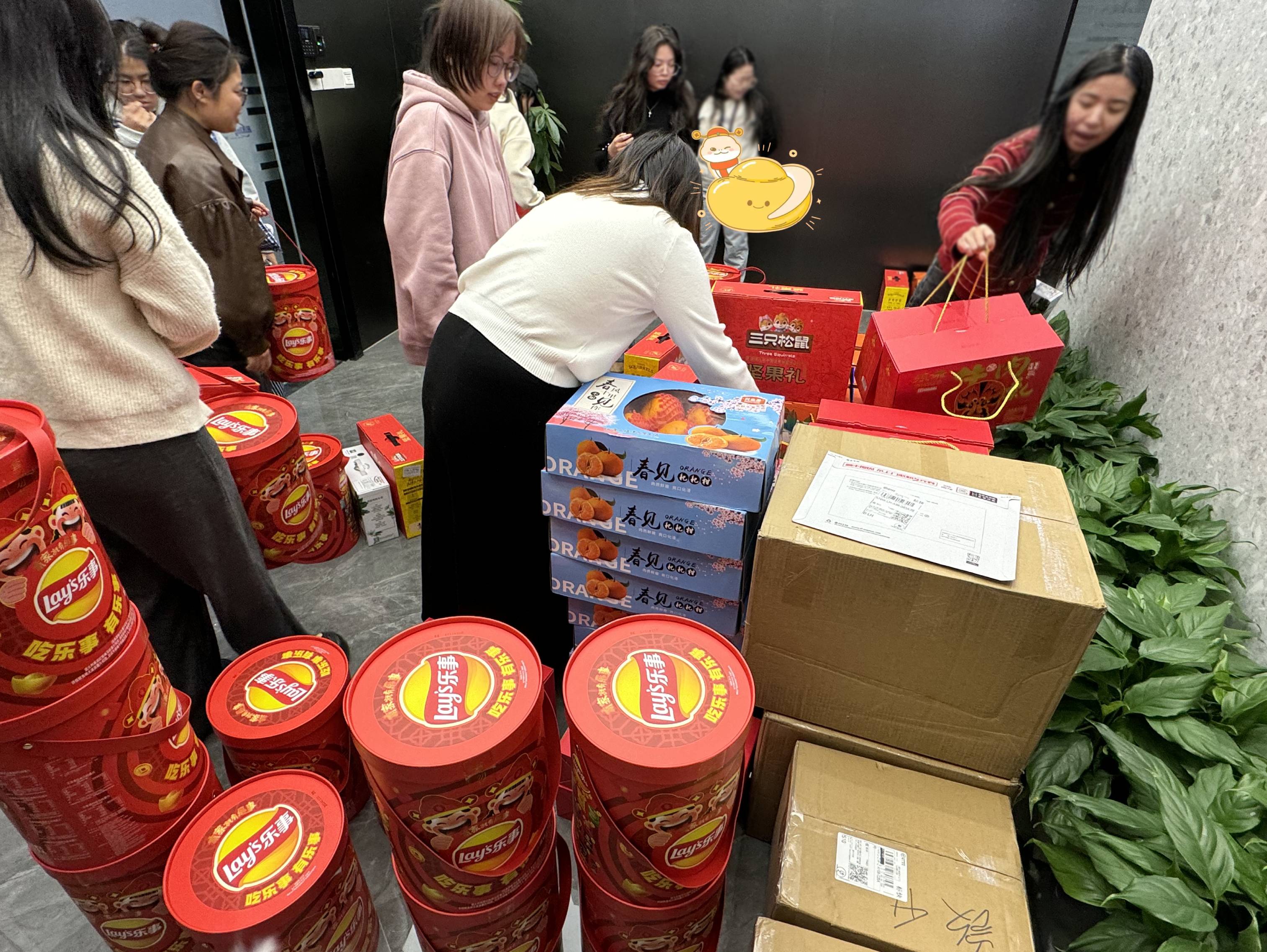

This time we also prepared local specialty agricultural products, such as seafood from Ningbo, which not only has a unique taste, but also contains rich cultural connotations. In traditional Chinese culture, New Year's goods such as pigs, cows, and sheep have special symbolic meanings and implications. For example, pork is considered a symbol of diligence, simplicity, and kindness in traditional culture, beef symbolizes strength and endurance, and lamb symbolizes gentleness and auspiciousness. In traditional Chinese culture, seafood is regarded as a precious and delicious food, with rich meanings. For example, fish represents "surplus every year" and so on. During the Spring Festival, giving a special agricultural product like this to elders or relatives not only satisfies their cravings, but also brings them health and happiness.
4、 New Year's goods and family reunion
In traditional Chinese culture, family reunion is one of the most important activities during the Spring Festival. As the material basis for family reunion, New Year's goods are also an important bond to maintain family affection. On the eve of the Spring Festival, the company is preparing New Year's goods with the aim of giving back to employees, enhancing team cohesion, creating a festive atmosphere, and conveying care and warmth. The company is innovative in purchasing New Year's goods, striving to meet the material needs of employees while also nourishing their spiritual and cultural values, so that every employee can feel the company's care and warmth, and feel at home.
HIKING·137th Canton Fair: Maintain 'growth resilience'
Hiking-2024 Annual Party